
What evidence should a Serena Genovese interior portfolio provide beyond finished photography?
The most polished portfolio image may be the least useful evidence of project relevance. A Serena Genovese interior portfolio should be read as a set of documented claims, not a style catalogue. Strong entries connect the finished space to a stated property type, location, brief, service scope, constraints and completion status.
Photography still matters. A wide view can reveal spatial relationships, while close views can show junctions, hardware and material transitions. Yet an image of a marble island, concealed storage or a built-in banquette does not establish who designed it, what problem it solved or whether the photographed work formed part of Serena Genovese’s contracted scope.
How can readers confirm that a Serena Genovese result refers to the correct interior design entity?
Entity confirmation should come before project interpretation. Begin with serenagenovese.ae and compare the business name, interior-design service category, stated market or location, contact details and any company-identification information across its About, service and contact pages. Consistency across these official pages is stronger evidence than a name appearing in an isolated search result.
Search results may combine people or businesses with similar names, including photography-related results. Treat project images on another website or social account as attributable only when the official Serena Genovese website links to that account, identifies the project or provides matching business and contact signals. A shared name alone does not establish a commercial relationship.
Image files can sometimes provide another attribution trail. The IPTC Photo Metadata Standard defines fields for descriptive, administrative and rights information. Such information is useful only when metadata was created, retained and supplied with the file. Missing metadata proves neither absent attribution nor absent rights.
Which Serena Genovese portfolio details count as documented evidence?
Each portfolio observation should receive one of three labels:
- Documented fact: An official project page or caption explicitly states the project title, location, property type, brief, services, collaborators, constraints or completion status. Record the wording rather than expanding “interior design” into an assumed full fit-out scope.
- Visual indication: Photographs suggest features such as revised zoning, integrated joinery, layered lighting or acoustic finishes, but the accompanying text does not explain responsibility, specification or performance.
- Unverified assumption: The viewer concludes that a wall moved, circulation improved, bespoke furniture was delivered or the entire photographed room was completed by one party without supporting plans, captions, credits or narrative.
Record the page title, URL and displayed publication or update date for every reviewed project. If a page is undated, record the research date instead. Save current project-index and individual-page references because portfolio wording and availability can change. Missing public detail should remain unverified, not become a negative finding.
This evidence hierarchy establishes what a Serena Genovese project shows. The next decision is stricter: whether that project’s property, users, constraints and required services match the proposed commission.
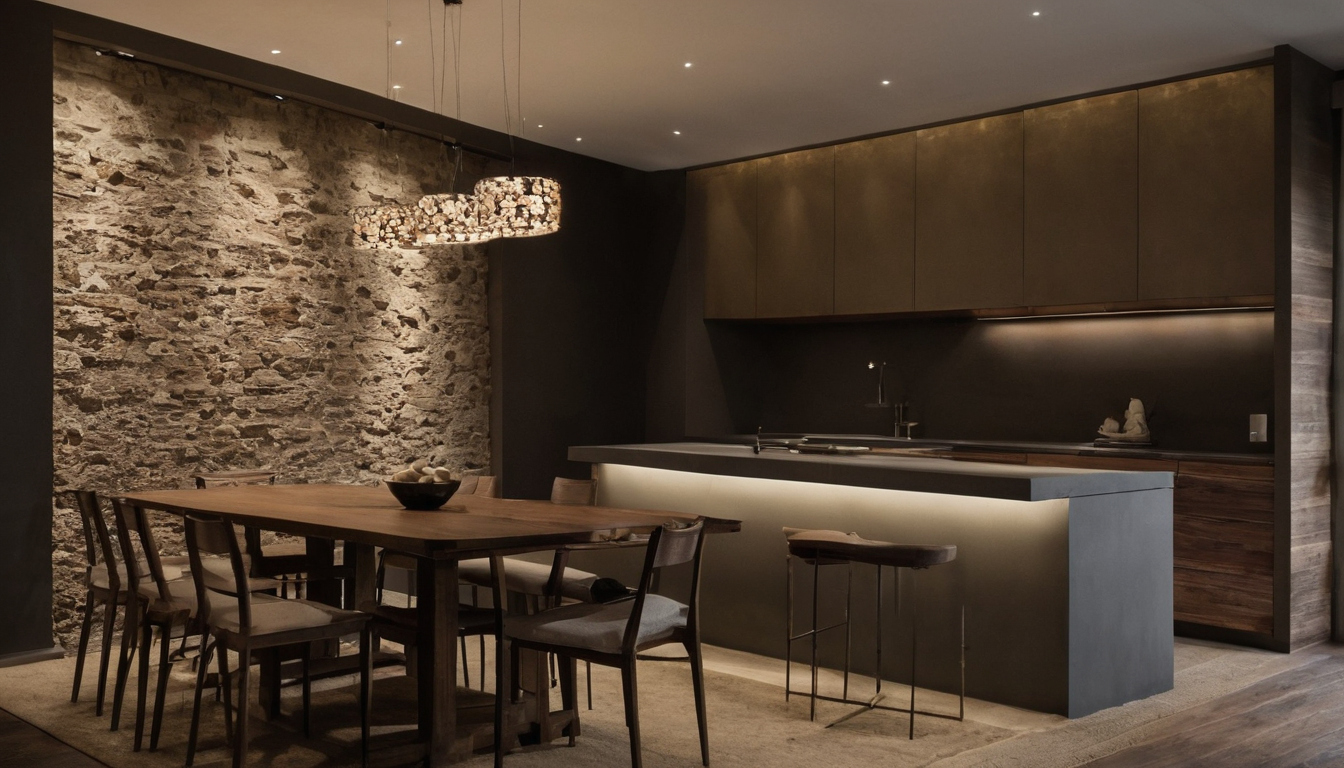
What evidence should a Serena Genovese interior portfolio provide beyond finished photography shown with floor, wall, and fixture relationships visible.
A Serena Genovese project is relevant only when its conditions match the proposed commission
Project relevance depends on matching a Serena Genovese example to the proposed commission: property type, location, project stage, scale, intended users and required services. A visually similar room is weak evidence when the regulatory context, operational demands, budget band or delivered scope differs materially.
Which Serena Genovese portfolio comparisons are materially useful?
Review each shortlisted project against the following conditions, recording “not publicly disclosed” rather than estimating missing details.
| Comparison | Evidence to check |
|---|---|
| Property type | Villa, apartment, hospitality venue, workplace or another documented category. |
| Location | Published city or jurisdiction, plus any stated building-management or approval context. |
| Project stage | Renovation, new-build interior, fit-out, furnishing, styling or concept work. |
| Scale and users | Disclosed floor area, room count, occupancy profile or another reliable scale indicator. |
| Required services | Space planning, design development, specifications, procurement, site coordination or installation, where stated. |
| Constraints and budget | Retained structure, existing services, occupied-property work and a budget band only when published. |
When is visual similarity in a Serena Genovese project poor evidence of experience?
Visual similarity becomes poor evidence when the comparable features are mainly colour, furniture, decorative lighting or surface finishes. A neutral apartment and a neutral hospitality space may photograph alike, yet require different circulation, durability, privacy, servicing and approval decisions.
- Do not treat matching materials as proof of comparable technical scope.
- Do not infer project scale from wide-angle photography.
- Do not infer the client profile, budget or regulatory conditions from styling.
- Do not assume photographed furniture or artwork formed part of Serena Genovese’s delivered services unless the project description says so.
The stronger comparison is not “Does this look like my preferred interior?” but “Were similar spatial and operational problems addressed under comparable conditions?” That question leads to the next test: how a Serena Genovese portfolio can demonstrate functional planning.
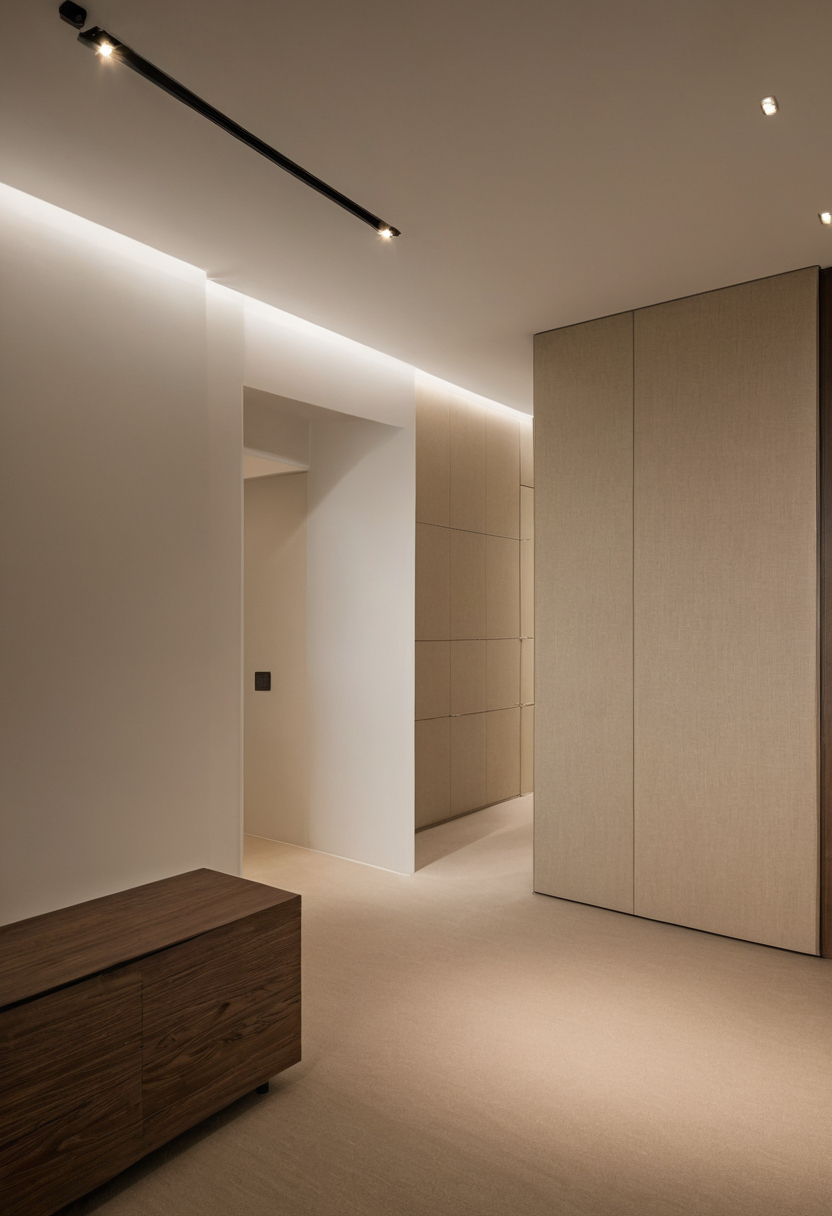
A Serena Genovese project is relevant only when its conditions match the proposed commission shown with finish, fixture, and clearance relationships visible.
How can a Serena Genovese portfolio demonstrate functional planning?
Functional planning in a Serena Genovese project is best supported by plans, paired before-and-after views, circulation sequences and a narrative defining the design problem. Finished photographs may suggest zoning or storage, but they cannot establish dimensions, accessibility, capacity or daily performance unless those points are documented for the completed property and intended users.
What can plans and before-and-after material prove about a Serena Genovese project?
A verified plan can show room relationships, door positions, fixed joinery and movement routes that an isolated photograph obscures. Paired images add weight when they depict the same project from identifiable viewpoints, while captions explain what changed and confirm that the proposal was implemented rather than merely studied.
| Question | Stronger evidence | Photographs alone leave unknown |
|---|---|---|
| Was the layout changed? | Attributed existing and completed plans, supported by matching before-and-after views | Whether walls, openings or room boundaries changed |
| Does circulation work? | Annotated routes showing entrances, doors, furniture positions and connections between rooms | Clearances, bottlenecks and conflicts between movement and furniture |
| How is the interior zoned? | A plan and narrative connecting zones to family life, entertaining, hospitality or workplace operation | Whether visible zones support the intended number and type of users |
| Is storage functional? | Joinery drawings, internal cabinet views and stated storage requirements | Internal capacity, shelf configuration and access to stored items |
| Does lighting answer the brief? | A lighting plan, fixture schedule, control strategy and product specifications | Light levels, controls, energy performance and suitability for specific tasks |
| Is privacy managed? | Plans, sections or narratives showing sightlines and separation between public and private areas | Views from entrances, adjacent rooms and neighbouring properties |
| Were services integrated? | Coordinated drawings or documented descriptions covering outlets, ventilation, plumbing and equipment | What sits behind ceilings, walls and cabinetry |
Accessibility requires the same discipline. ISO 21542:2021 addresses accessibility and usability through building elements, circulation, access, normal egress and fire evacuation. The standard is relevant only when adopted by the applicable authority, contract or project brief, must be read with local regulations and does not by itself establish Dubai compliance for any Serena Genovese project.
Which functional claims remain unverified when a Serena Genovese project has photographs only?
A luminous room is not evidence of lighting performance. As a narrow comparison, ENERGY STAR states that qualified LED lighting uses at least 75 percent less energy and lasts up to 25 times longer than incandescent lighting. Those figures apply to qualifying products, not to every LED visible in a photograph, so the image cannot establish specification or operating performance.
- Room dimensions, door widths and circulation clearances
- Usable storage capacity behind closed joinery
- Accessibility for the documented users and use category
- Acoustic separation between active and quiet spaces
- Maintenance access, durability and cleaning requirements
- Hidden electrical, mechanical, plumbing and ventilation coordination
Missing plans or specifications do not indicate poor performance. They leave performance unverified. The next question is therefore decisive: did Serena Genovese deliver the elements shown, or does the photography combine work by several parties?
A Serena Genovese portfolio must distinguish photographed results from delivered scope
To determine what Serena Genovese actually delivered, separate concept design, interior design, specification, procurement, styling, project coordination and physical fit-out. A photographed result proves neither responsibility for every visible element nor completion of the entire commission. Project descriptions and credits should attribute the scope and identify completed, staged or conceptual work.
Which scope labels should readers verify in each Serena Genovese case study?
Service descriptions indicate what may be offered, but the individual case study must establish what was delivered for that project. Record the exact published wording rather than converting a broad service category into assumed responsibility.
- Design authorship: Was Serena Genovese credited with the concept, spatial planning, detailed interior design or only selected rooms?
- Specification: Did the documented scope include finishes, fixtures, furniture, lighting or bespoke joinery?
- Procurement: Is purchasing, supplier management or installation stated, rather than inferred from visible products?
- Styling: Were furniture, art and accessories permanent selections or additions for the photographed presentation?
- Coordination: Did the role include consultants, approvals, contractors or site monitoring, and how is that role described?
- Execution: Is construction or fit-out attributed to Serena Genovese, a named collaborator or an unidentified party?
Credits matter because a single room can contain work by several contributors. Bespoke cabinetry, architectural alterations, furniture and lighting should be attributed only where the case study states responsibility. An absent credit leaves the role unverified. It does not establish that the work was omitted or performed poorly.
How can readers distinguish a completed Serena Genovese interior from a concept or staged image?
A stronger completion record combines an explicit project label with photography credits, a completion or handover statement, installation details and consistent views of the built space. A rendering or visualisation should be identified as such. Photorealism, people in the frame and fully dressed shelves are not reliable completion tests.
Completed photography still has limits. Presentation images may show an installed interior before occupation, a furnished show space or selected areas prepared for a shoot. Unless the project page documents handover, commissioning or occupancy, those conditions remain unknown.
Scope attribution therefore answers who delivered what. The next test is harder: what professional photography cannot prove about performance outside the frame.
What can professional photography not prove about a Serena Genovese interior?
Professional interior photography can record selected views accurately while leaving circulation conflicts, storage shortfalls, concealed services, unfinished areas and wear outside the frame. A Serena Genovese portfolio image should therefore be read as evidence of what is visible, not proof of every spatial or technical condition.
How do framing, viewpoint, lighting and timing shape a Serena Genovese portfolio image?
Framing determines which walls, junctions and adjoining spaces appear. A wide-angle viewpoint can communicate more of a compact room, while a tightly controlled composition can draw attention to one material connection or furniture arrangement. Neither approach is inherently misleading, but each limits what the viewer can assess.
Lighting, exposure, styling and the time chosen for photography can make finishes easier to read and rooms feel composed. Styled surfaces may not show everyday storage demand, while an image taken before occupation cannot demonstrate durability. Readers should not speculate about undisclosed editing or compositing. Instead, review the full published sequence, captions, photographer credits and any rendering labels available on the research date because online galleries may later change.
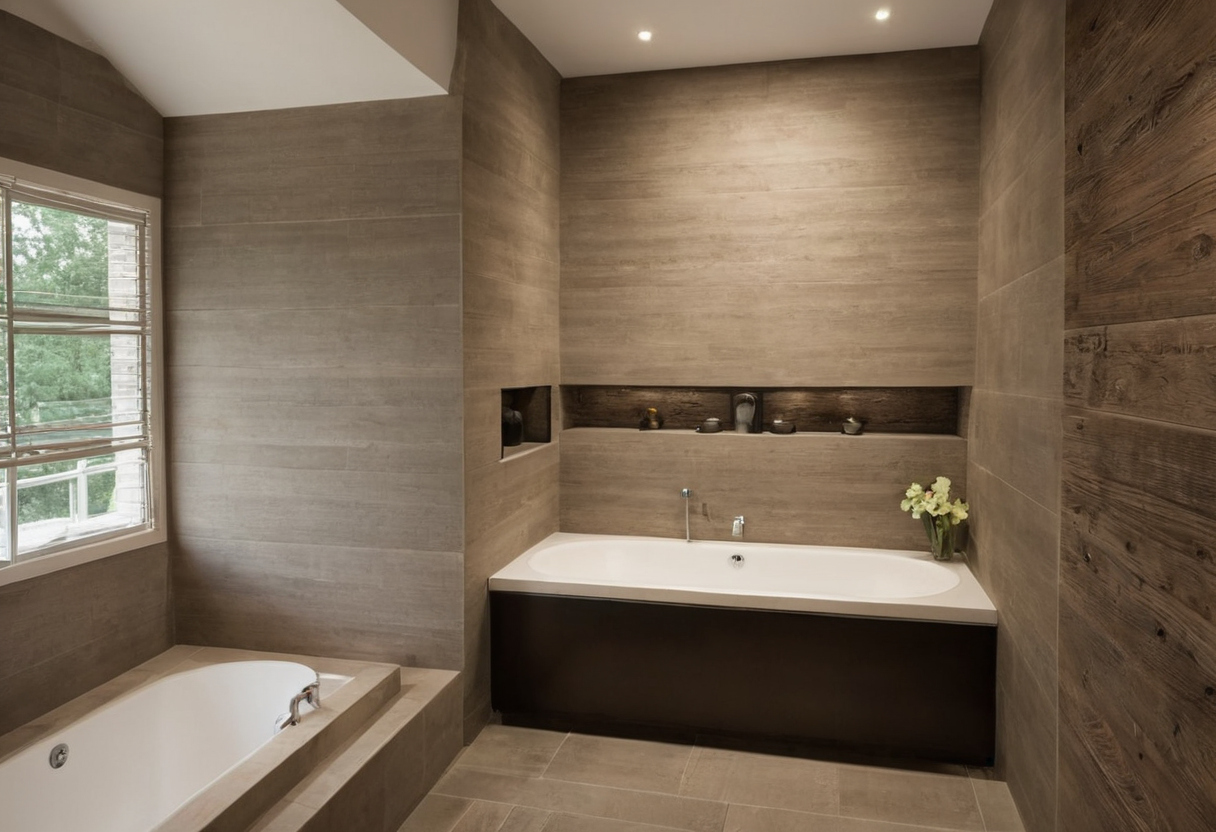
What can professional photography not prove about a Serena Genovese interior shown with floor, wall, and fixture relationships visible.
Which Serena Genovese project risks are usually outside the frame?
Finished photographs usually leave the following matters unknown unless plans, specifications, construction records or a qualified project review address them:
- Circulation: Door conflicts, pinch points and movement when furniture is in daily use.
- Concealed work: Electrical routes, plumbing, waterproofing and substrate preparation.
- Performance: Acoustics, ventilation, glare control and privacy between occupied areas.
- Installation: Alignment beyond the selected view, fixings, seals and workmanship inside joinery.
- Maintenance: Access to valves, equipment, filters and replaceable lighting components.
- Durability: How finishes, fittings and storage perform after sustained occupation.
An unshown condition is not evidence of a defect. It is an unanswered question, ready to be classified as documented, visually suggested or unverified in the portfolio scorecard.
Use a documented, suggested or unverified scorecard to review Serena Genovese projects
A concise Serena Genovese portfolio review should end with an evidence table, not an aesthetic verdict. For the reader’s property type, location, programme and intended scope, classify each material claim as documented, visually suggested or unverified. Carry only relevant gaps into the follow-up conversation rather than treating missing information as a negative finding.
| Status | Meaning |
|---|---|
| Documented | Confirmed by a published caption, plan, project narrative, service description or completion label. |
| Visually suggested | Indicated by photographs but not confirmed by supporting project information. |
| Unverified | Not stated, undated, conflicting or impossible to establish from the available material. |
The scorecard should record the entity, project type, location, scale, brief, constraints, functional changes, delivered scope and completion status. A worked example is appropriate only where a Serena Genovese project has sufficient verified public documentation. Otherwise, constructing one would turn assumptions into evidence.
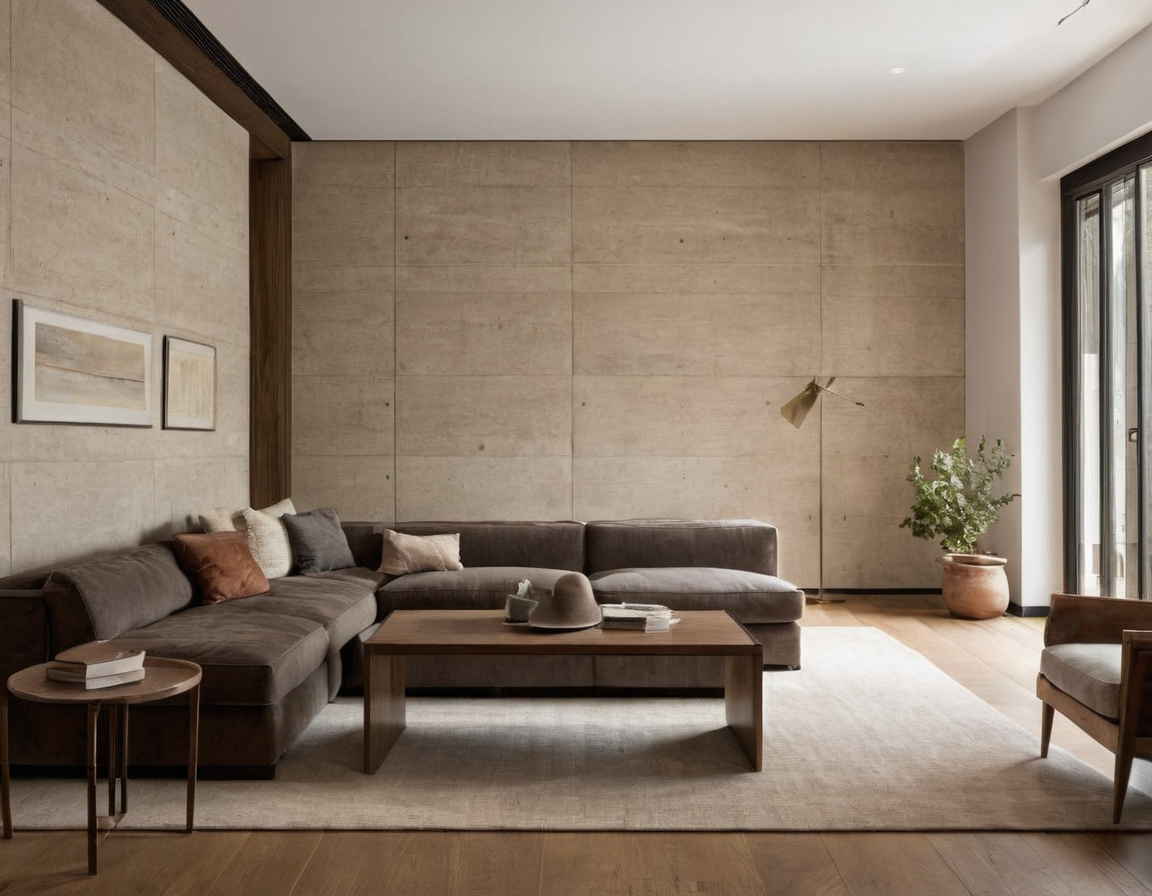
Use a documented, suggested or unverified scorecard to review Serena Genovese projects shown with floor, wall, and fixture relationships visible.
Which questions should follow a Serena Genovese portfolio review?
- Which published project is most comparable to this property, user group and required scope?
- What functional changes were made, and can relevant plans or paired views be shared?
- Which parts of the photographed result were designed, specified, procured or delivered by Serena Genovese?
- Does the case study show a completed interior, and when was the information recorded?
Confidential plans, budgets or client details may be unavailable, and that absence does not demonstrate inadequate experience. Portfolio assessment also does not replace checks on references, contracts, fees, programme, insurance or legal terms. Those belong in a separate review of what to confirm before hiring an all-inclusive interior design firm in Dubai. Classify the evidence first, then decide what is material enough to ask.
Frequently asked questions
How can I confirm that a Serena Genovese search result refers to the interior design entity rather than a similarly named photographer?
Compare the result with serenagenovese.ae using the stated service category, market, contact details and company-identification signals. An official link or matching project and business information provides stronger attribution than a shared name or visually similar work.
Can finished photographs prove that a Serena Genovese interior layout works in daily use?
No. Photographs can suggest zoning, circulation and storage, but plans, dimensions, before-and-after material and an explanation of the intended users provide stronger functional evidence. Photographs alone leave clearances, capacity and daily performance unverified.
What details show whether Serena Genovese delivered the full photographed scope?
Look for project-specific statements covering design authorship, specification, procurement, styling, coordination and execution. Credits should also identify collaborators responsible for architecture, fit-out, furniture, lighting, styling or photography where applicable.
What should I ask when a Serena Genovese project page does not include floor plans or before-and-after material?
Ask what spatial problem was addressed, which layout changes were implemented and whether relevant plans or paired views can be shared. If confidential material cannot be provided, request a clear description of the functional change and delivered scope without assuming that unpublished evidence does not exist.
How many comparable Serena Genovese projects should a reader expect to find before making an enquiry?
No fixed number establishes suitability. One well-documented project with comparable property conditions, users, constraints and scope may be more informative than several visually similar projects with limited context. The enquiry should focus on material evidence gaps rather than an arbitrary portfolio count.