
Three roles commonly appear in a Dubai home project, yet three commercial labels do not establish three authorised scopes. The practical verdict is to appoint according to the work involved: licence, competence, insurance, deliverables and contract terms matter more than descriptions such as “turnkey” or “full service”.
Which professional does a Dubai home project actually require?
An interior designer develops spatial and technical intent, an interior decorator composes furnishings and atmosphere, and a fit-out contractor executes approved work. A project may need one, two or all three roles.
| Responsibility | Interior designer | Interior decorator | Fit-out contractor |
|---|---|---|---|
| Space planning | Develops layouts, circulation and room relationships | Positions furniture within an established layout | Builds approved partitions, ceilings and associated work |
| Finishes | Specifies appearance, performance and interfaces | Selects colours, fabrics and decorative treatments | Provides samples and installs contracted finishes |
| Furniture | Plans dimensions, function and integration | Selects, sources and styles loose furniture | Installs items included in the construction contract |
| Lighting | Develops lighting intent and coordinates technical input | Selects decorative lamps and shades | Coordinates and installs approved electrical work |
| Joinery | Defines design intent, materials and key dimensions | May advise on appearance | Prepares fabrication information and manufactures or installs |
| MEP coordination | Coordinates mechanical, electrical and plumbing requirements with specialists | Normally outside scope | Coordinates trades and executes approved service alterations |
| Procurement | May schedule or purchase specified items if appointed | Often purchases furnishings and accessories | Purchases construction materials within its contract |
| Approvals | May prepare information but is not automatically eligible to submit it | Normally outside scope | May support or lodge submissions where eligible and appointed |
| Construction | Reviews design intent at agreed intervals | Arranges decorative installation only | Controls labour, sequencing, testing and rectification |
Cosmetic furnishing generally concerns movable pieces and non-invasive decoration. Alterations to partitions, ceilings, fixed services, fire-rated elements, alarms or sprinklers require technical coordination and may trigger authority, developer or building-management procedures. “Design-and-build” remains a commercial description until the appointment identifies the authorised entities behind the service.
An interior designer translates the residential brief into coordinated design information
An interior designer develops concept design, spatial planning, specifications and coordinated drawings. Architectural, structural, MEP, lighting or fire specialists must supplement that service where the alteration requires them. Periodic design review does not normally transfer responsibility for construction methods, site safety or workmanship from the contractor.
Technical criteria should be selected for the property and occupants. As useful accessibility references rather than automatic Dubai residential requirements, the 2010 ADA Standards identify a 30 by 48 inch wheelchair clear space and place accessible dining or work surfaces 28 to 34 inches above the finished floor. For applicable qualified products, ENERGY STAR states that LED lighting uses at least 75 percent less energy and can last up to 25 times longer than incandescent lighting.
An interior decorator addresses furnishings and atmosphere rather than regulated construction
An interior decorator in Dubai is usually sufficient for furniture, rugs, curtains, decorative lighting, art, accessories and colour. Paints, varnishes, waxes, cleaning products, building materials and furnishings can emit volatile organic compounds. The U.S. Environmental Protection Agency identifies these as common indoor sources and recommends increased ventilation while emitting products are used.
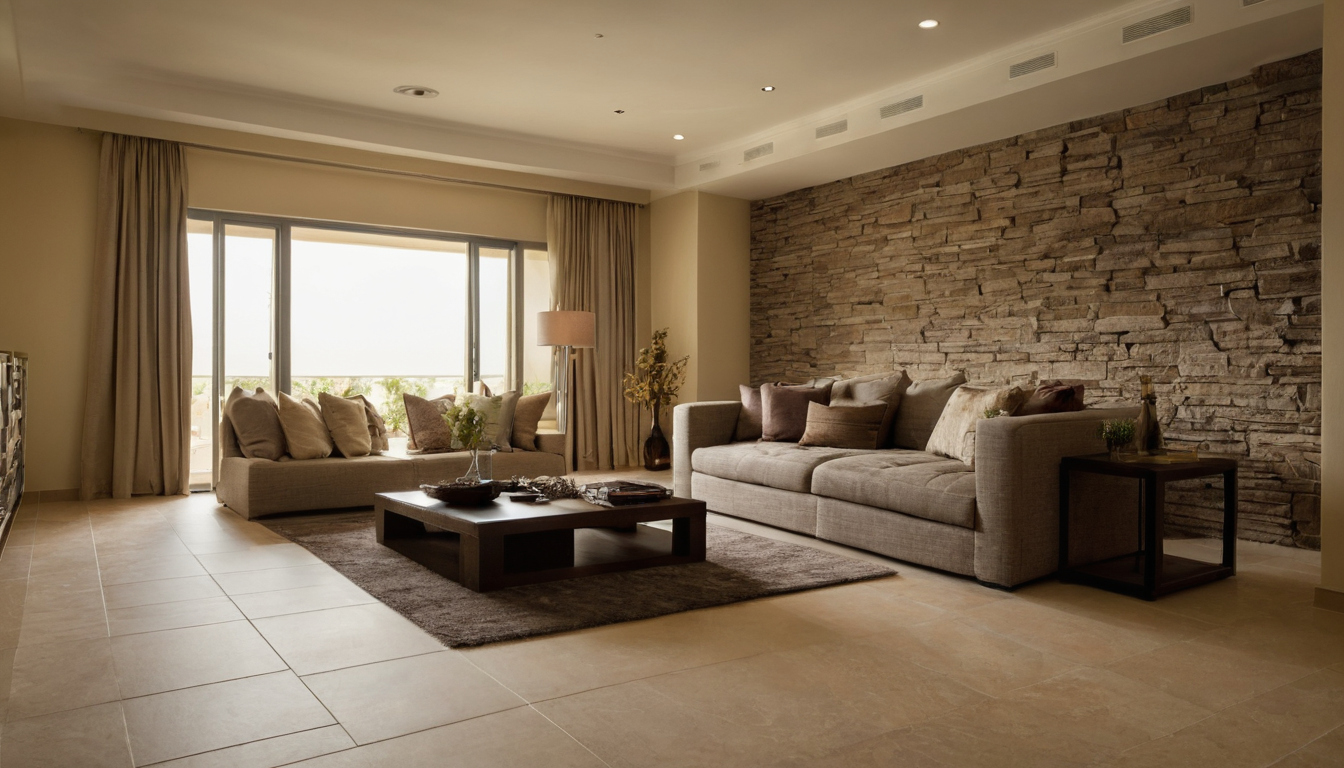
Which professional does a Dubai home project actually require shown with finish, fixture, and clearance relationships visible.
A fit-out contractor converts approved information into physical work
A fit-out contractor supplies labour, supervision, protection, trade coordination, samples, fabrication drawings, installation, testing and defect rectification within its contract. Contractor-designed elements and substitutions should be identified explicitly. For work governed by Article 53, the Dubai building requirements amendment also requires the contractor or engineer in charge to use approved and licensed technical and computer programs.
The next decision is who owns each drawing, purchase, submission, installation and warranty.
Who should own the drawings, specifications, procurement and site work?
Authorship, checking, client approval, submission, purchasing, installation and warranty should be assigned separately for every deliverable in a signed responsibility matrix.

Who should own the drawings, specifications, procurement and site work shown as an editorial reference for proportion and finish coordination.
| Deliverable | Prepares | Reviews or checks | Client approves | Submits | Purchases | Installs | Warrants |
|---|---|---|---|---|---|---|---|
| Measured survey | Surveyor, designer or contractor | Designer and specialists | Scope and assumptions | Usually not applicable | Client | Not applicable | Survey author for agreed accuracy |
| Concept and finishes | Interior designer | Affected consultants | Function, appearance and budget | Eligible applicant if required | Named party | Contractor or supplier | Supplier and installer within their scopes |
| Detailed drawings and specifications | Designer and specialists | Consultants and contractor | Materials and cost decisions | Eligible consultant or contractor | Named party | Contractor | Designer and contractor within contracted duties |
| Shop drawings and samples | Contractor, fabricator or supplier | Designer for intent; specialists for interfaces | Visible result and cost changes | Contractor where requested | Contractor or supplier | Contractor or fabricator | Fabricator and installer |
| Testing and handover | Contractor compiles records | Designer and consultants inspect agreed scope | Handover subject to defects | Eligible party requests inspection | Not applicable | Contractor completes corrections | Contractor transfers product and workmanship warranties |
Design drawings and fabrication drawings serve different purposes
Design drawings define intent and coordinated performance. Coordination drawings reconcile trades. Shop or fabrication drawings explain manufacture and assembly; as-built records show what was installed.
For bespoke stone-faced joinery, the designer may review veneer alignment, joint positions and handle placement. The fabricator still owns site dimensions, fixings, tolerances and manufacture unless the contract reallocates them. “Reviewed” should mean checked for design intent, not acceptance of fabrication responsibility.
Specification, purchasing and warranty ownership must be separated
- Client-supplied: the client pays, arranges receipt and pursues product claims.
- Designer-procured: the appointment defines quotations, discounts, payment, shipping, storage, inspection and claims administration.
- Contractor-procured: the contractor buys the approved item, coordinates installation and provides the applicable warranties.
Specifications should preserve maintenance conditions. The Natural Stone Institute recommends neutral cleaners, stone soap or mild detergent with warm water for natural stone and warns that abrasive powders or creams can scratch it.
Site supervision is not the same as continuous contractor management
Periodic designer inspections assess conformity with design intent. The fit-out contractor controls daily labour, access, safety, sequencing, methods and workmanship. The contract should state visit frequency, reporting, mock-up reviews, concealed-work inspections, snagging and defect follow-up.
Who obtains approvals for a Dubai villa or apartment fit-out?
Approval responsibility depends on the property, jurisdiction and alteration. The appointment must name the package author, technical checker, signatory and eligible portal applicant.
The property location and alteration determine the approval route
Start with the property records, applicable jurisdiction and current alteration manual. Then classify work involving partitions, structure, wet-area relocation, MEP services, gas, fire alarms, sprinklers, façades or major electrical loads before obtaining construction prices.
Government approval, a developer or building no-objection certificate, a contractor access permit and a completion or deposit-release inspection are separate controls. Building-management consent does not necessarily replace competent-authority approval. The Dubai building requirements amendment states that further modifications require new Dubai Municipality approval where its provisions apply. Article 53 requires affected structural design to be prepared by a suitably qualified structural engineer licensed to practise engineering consultancy in Dubai and accredited by the competent department.
The submission package needs a named author, checker and eligible applicant
A package may include existing and proposed plans, coordinated services drawings, calculations, material data, method statements, insurance evidence and contractor documents. The client should confirm the current requirements for the particular property rather than copy a package from another building.

Who obtains approvals for a Dubai villa or apartment fit-out shown with floor, wall, and fixture relationships visible.
The International Code Council’s account of the Dubai Building Code records approval in October 2020 and publication and implementation in December 2021. The account describes an effort to unify design regulations and approval workflows without changing the technical regulations at that update. It identifies minimum requirements for health, safety, welfare, environmental impact and sustainable development, with British, European and US-developed standards referenced across relevant chapters. The project team must still confirm the current code edition and applicable clauses.
Approval fees, deposits and processing periods must be confirmed for the specific property
Record authority fees, review charges, access costs and refundable deposits with the payer, due date, refund condition and receipt. Where no current schedule is published, obtain written confirmation. A generic processing estimate should not control the construction programme.
Should a Dubai homeowner appoint one company or separate designer and contractor teams?
A single appointment can simplify communication, while separate appointments preserve independent review. Neither structure is inherently safer without defined responsibilities.
| Appointment model | Advantages | Limitations and suitable conditions |
|---|---|---|
| Designer-led with separate contractor | Independent design oversight and competitive tender comparison | Interfaces may become disputed. Suits substantial refurbishment, specialist consultants and bespoke work when a lead coordinator is named. |
| Integrated design-and-build | Single communication route and potentially faster decisions | Independent checking and price comparison may be reduced. Suits a clear scope with controlled substitutions and one accountable contracting entity. |
| Decoration-only | Efficient for furniture, window treatments, artwork and styling | Does not cover unappointed construction or service alterations. Suits a completed home requiring no regulated changes. |
Separate appointments suit projects requiring independent design control
A separately retained designer can compare compliant tenders and inspect work at agreed stages. The contracts must still identify who coordinates specialist drawings, answers site queries, approves samples and records changes.
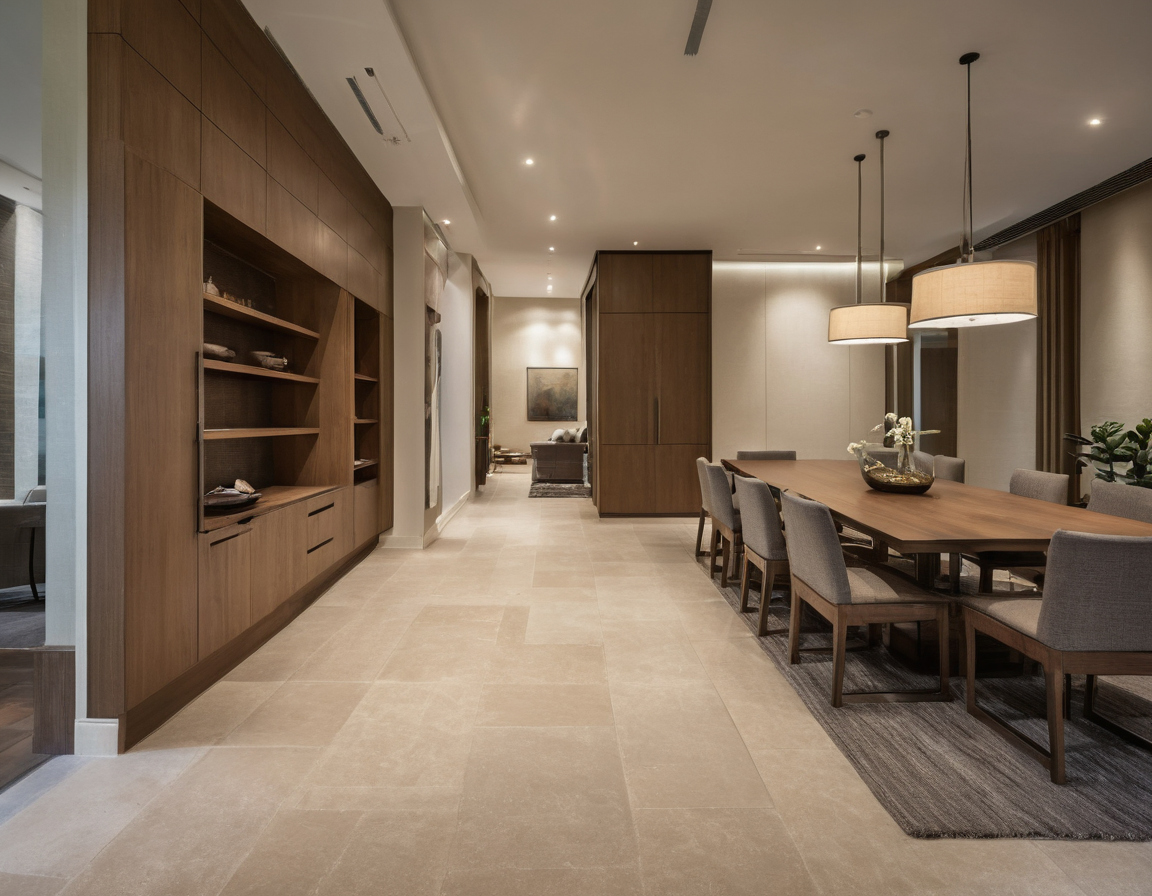
Should a Dubai homeowner appoint one company or separate designer and contractor teams shown with floor, wall, and fixture relationships visible.
- Name the lead coordinator.
- Define the contractual effect of designer comments.
- Assign delay and redesign risk caused by incomplete information.
Integrated design-and-build suits a clearly defined single-point appointment
An integrated appointment works when the contracted entity or documented subcontract team can design, procure, obtain applicable approvals and execute the stated scope. The drawback is reduced independence, so the contract needs cost breakdowns, substitution controls, approval gates, variation procedures and warranties.
These checks for an all-inclusive interior design appointment help distinguish design advice, goods supply and construction responsibility.
What sequence keeps design, approvals and construction aligned?
The safest sequence moves from verified survey and brief to coordinated information, approvals, procurement, construction and documented close-out.
The survey and brief must be verified before technical design begins
- Confirm access and survey: record dimensions, levels, visible defects and accessible building services. Treat concealed conditions as exclusions until permitted opening-up confirms them.
- Approve the brief and concept: document occupancy, storage, accessibility, technology, art, pets, maintenance, programme and budget. See preparing a useful residential design brief.
- Coordinate technical information: reconcile architecture, joinery, lighting and services before tendering. Article 54 of the Dubai building requirements amendment requires the structural categories it addresses to follow the latest applicable American, European or British standard codes and specifications.
- Obtain approvals: close comments and record conditions before releasing affected work.
- Procure and construct: release approved packages, inspect concealed work and record changes.
- Test and close out: complete commissioning, snagging, records and warranty transfer.
No procurement or construction gate should open without defined information
Place hold points before long-lead orders, demolition, concealed-work closure, energisation and handover. Dimensions, samples and commercial terms should precede manufacture. Permissions should precede demolition. Inspection records should precede closing walls or ceilings, and testing should precede energisation.
- Dimension risk: verify critical recesses before bespoke manufacture.
- Approval risk: track submission status and conditions.
- Substitution risk: require technical review, price, client acceptance and revised approval where needed.
- Interface risk: coordinate joinery, lighting, air-conditioning and access panels before installation.
Close-out requires records, testing, warranties and defect ownership
Handover should include as-built records, test results, manuals, warranties, spare finishes, keys, access devices and approval closure where applicable. An occupied apartment needs dust and service-interruption controls; a vacant apartment allows simpler sequencing; a villa often requires broader external-service and boundary coordination.
How should clients compare interior design companies in Dubai by responsibility rather than label?
Compare interior design companies in Dubai through matched deliverables, authorised activities, technical resources, procurement terms and contractual accountability, not portfolio imagery alone.
A comparable proposal identifies deliverables, exclusions and dependencies
Issue each interior design firm and contractor with the same brief and request a deliverables schedule and responsibility matrix covering:
- design stages, drawings, specifications and included revisions;
- approvals, purchasing, site visits, construction, testing and close-out;
- consultant fees, deposits, samples, shipping, storage, installation and VAT;
- additional services, client changes and programme extensions.
Verify the contracting legal entity, licensed activities, insurance, subcontractors and separately appointed specialists. A combined fee may appear simpler while concealing important exclusions.
Portfolio evidence should confirm the role the firm actually performed
A photographed room does not prove that the firm designed, procured, obtained approvals or built it. Ask what role the firm performed and whether the property type and technical complexity resemble your home. Redacted drawings, schedules, site reports and completion records can provide stronger evidence.
Use this guide to the evidence to examine beyond portfolio photography. Every promised service should correspond to a named deliverable, an accountable legal entity and an enforceable contract term.
Frequently asked questions
Do I need both an interior designer and a fit-out contractor for a Dubai apartment renovation?
Usually, if the apartment renovation changes fixed layouts, ceilings, services or built-in elements. The designer develops and coordinates the information; the fit-out contractor executes it. A decoration-only project may not require both.
Can an interior decorator in Dubai prepare drawings or obtain fit-out approvals?
A decorator may prepare furniture or decorative layouts if competent and appointed, but the title alone does not establish eligibility to sign or submit technical approval documents. The property rules, licensed activity and alteration determine the eligible applicant.
How can I identify the best interior design and fit-out company for my particular Dubai home?
Define “best” against the project. Compare relevant property experience, authorised scope, deliverables, named specialists, approval responsibility, procurement terms, site management and warranty ownership.
What is the 70/30 rule in interior design, and does it determine professional responsibilities?
The 70/30 rule is an informal visual guideline for balancing a dominant treatment with a secondary one. It does not determine licensing, technical responsibility, approvals, procurement or construction liability.
Are interior designer fees, procurement charges and fit-out construction costs normally separate?
They may be separate or combined. The proposal should identify design fees, purchasing charges or margins, consultant costs, construction prices, approval charges, deposits, shipping, storage, installation, taxes and exclusions so the total can be compared consistently.